

Smaller Solutions · Midsize Systems · Comforts of Home
RV, Bus & Caravan Power Solutions
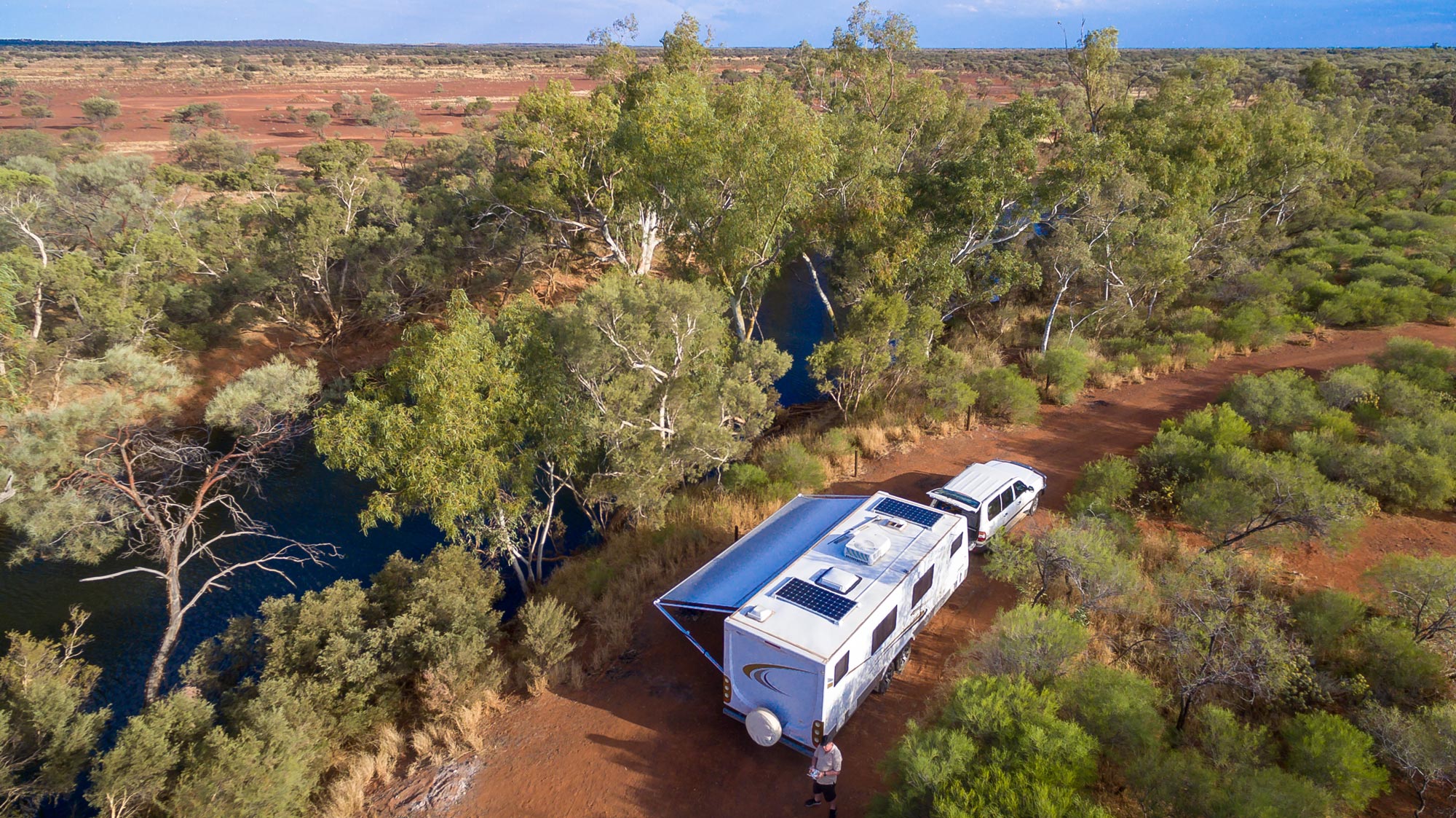
Be it towing a van, driving an RV or bus — our lithium solutions charge faster, weigh one-third of traditional setups, and deliver more usable power.
Smaller Solutions – 100-300Ah Lithium
The most popular starting point for caravans and RVs. A 100-300Ah lithium bank weighs roughly one-third of equivalent AGM and gives you every last amp — lithium delivers 100% usable capacity vs around 50% for AGM. Run your 12V fridge, LED lighting, and device charging comfortably for days without hookups.
- Run a 12V fridge, LED lighting and device charging for 2-3+ days
- Save 40-60kg vs equivalent AGM battery bank
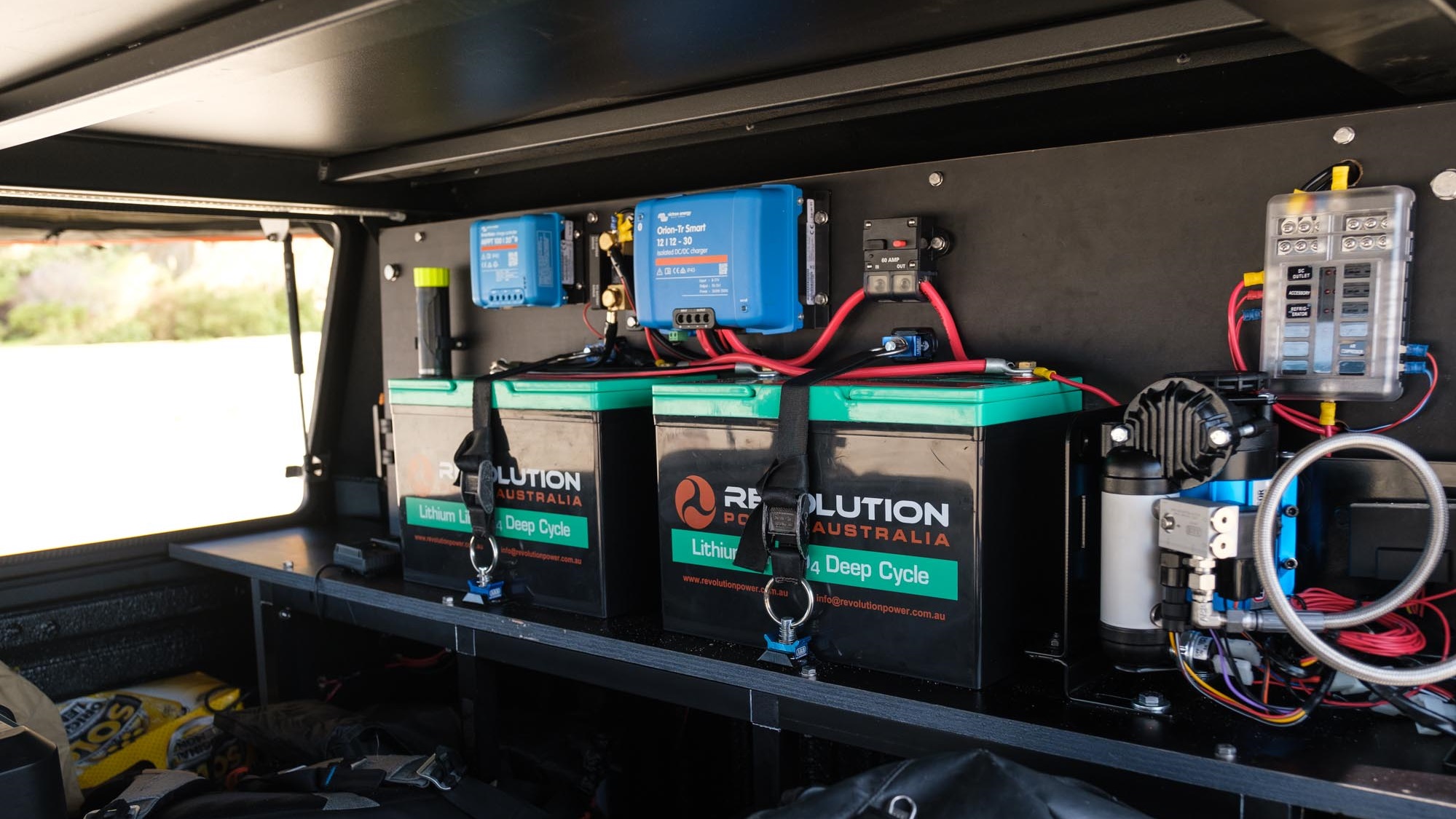
- Solar-ready — pair with Victron SmartSolar MPPT for off-grid top-up
- Full BMS protection: overcurrent, temperature and short circuit
- Charges 3x faster than equivalent AGM from mains or solar
- 5-year manufacturer warranty
Related guides: 100Ah Low Draw Lithium Battery Discussion Off-grid 12V Battery Setup
Midsize Systems – 400-600Ah Lithium
Step up to a midsize system and you open the door to real home comforts on the road. A 400-600Ah lithium bank supports multiple fridges, 240V appliances via inverter, and extended solar self-sufficiency. 50% more usable power than equivalent AGM — with half the weight.
- Run 2x 12V fridges or a large twin-door fridge/freezer
- 50% more usable power than equivalent AGM capacity
- Supports 1000-2000W inverter for 240V kettle, toaster and more
- Induction cooktop capable with the right inverter
- Bluetooth monitoring of battery state from your phone
- Charges fast enough to fully replenish overnight from mains or solar

Comforts of Home – 800-1200Ah Lithium
For full-time van lifers, extended grey nomad tours, and luxury travellers who refuse to compromise. An 800-1200Ah CAN Bus lithium bank paired with Victron Cerbo GX and a Quattro inverter/charger delivers true household comforts anywhere in Australia — and complete visibility over your system at all times.
- Full 240V comforts — air conditioning, washing machine, induction cooking
- Multiple high-draw 12V accessories running simultaneously
- CAN Bus integration with Victron GX for live, accurate system data
- Victron Quattro handles shore power, generator and solar simultaneously
- Designed for full-time van living and extended off-grid travel
- Professional system design and sizing — free of charge
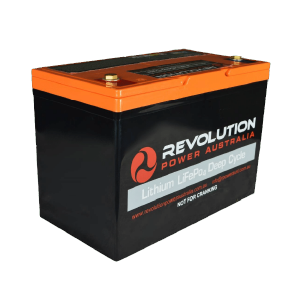
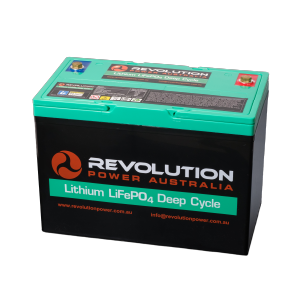
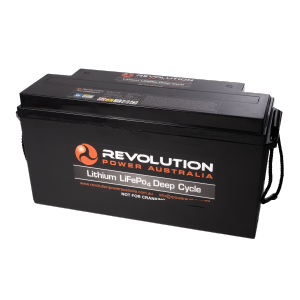
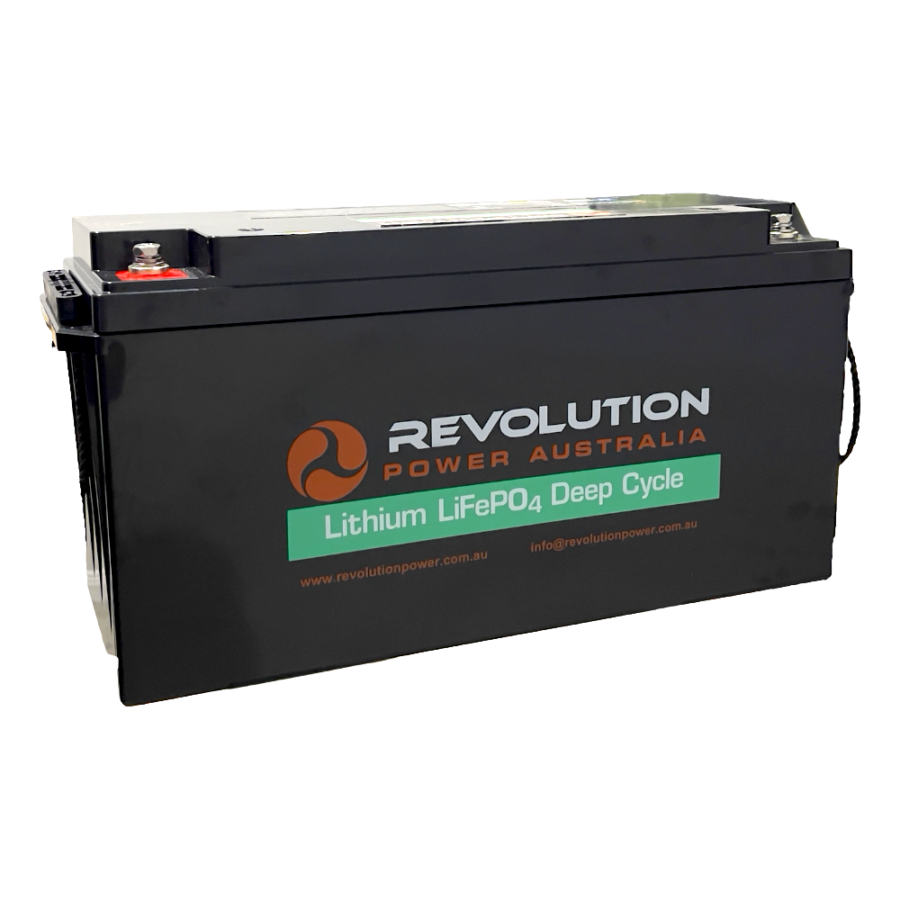
Our Battery Range
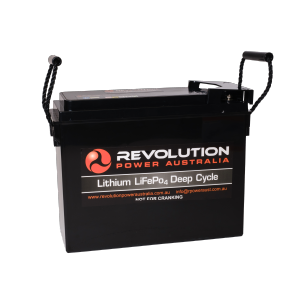
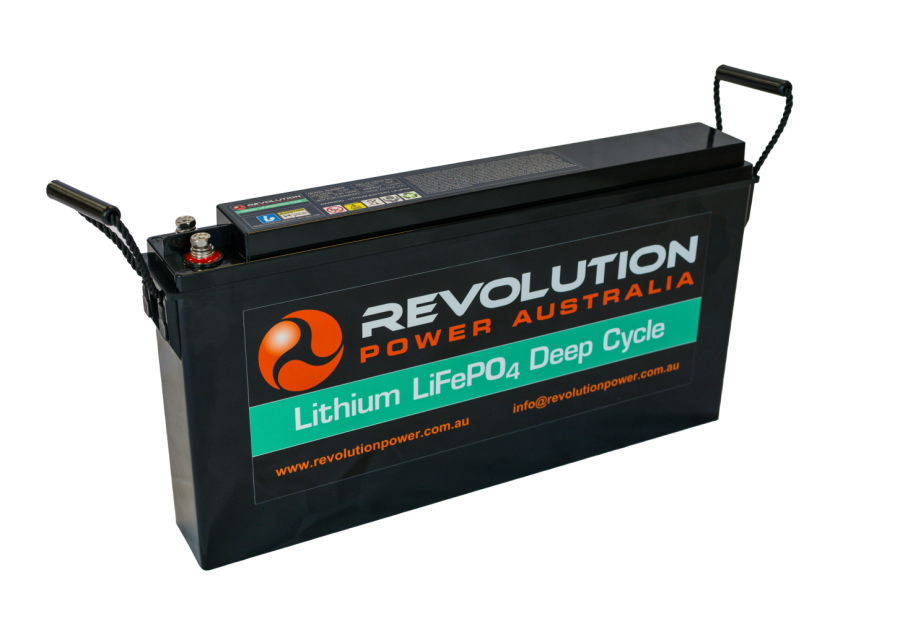
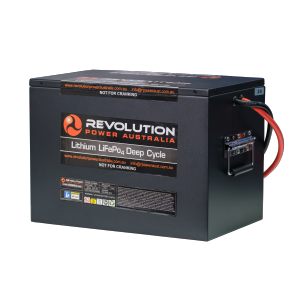
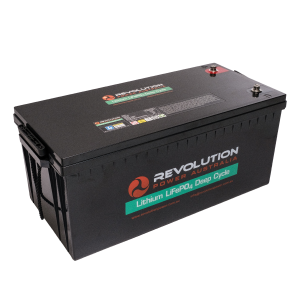
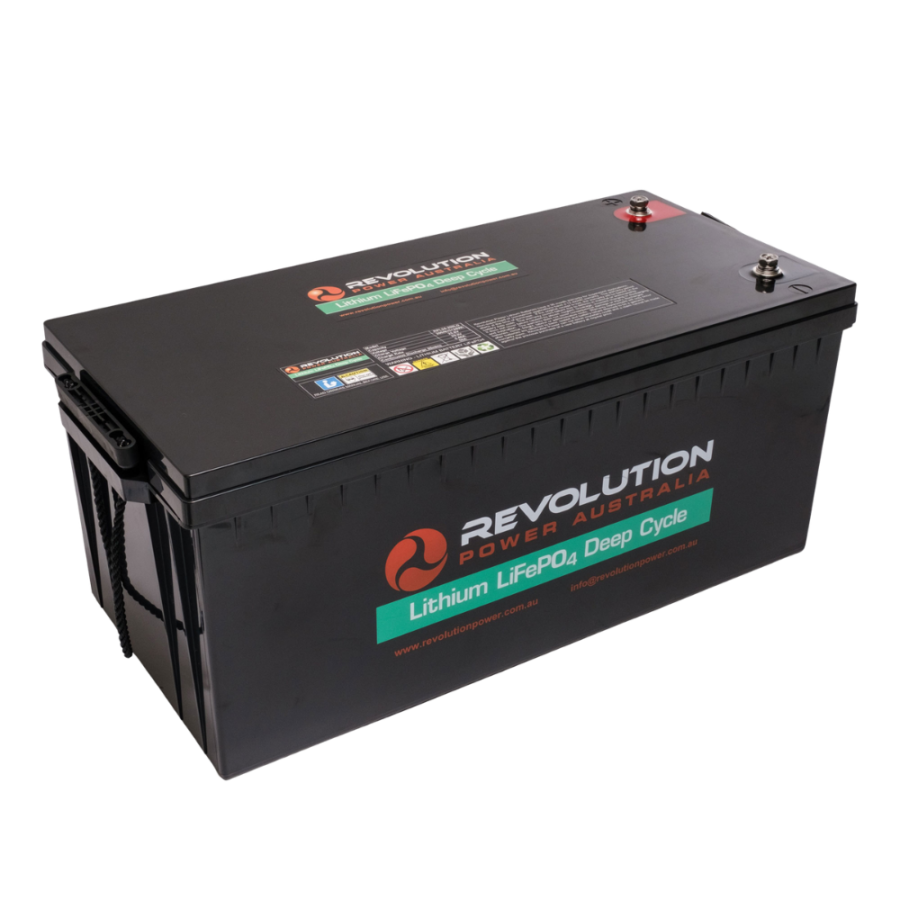
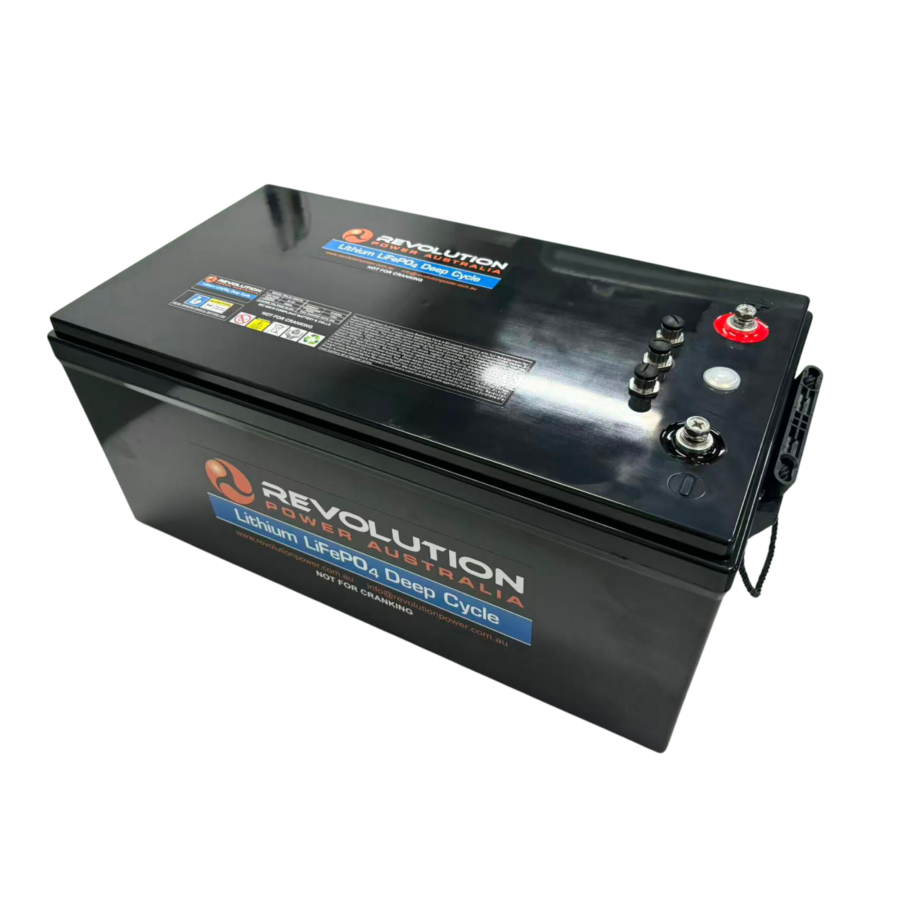
LiFePO4 lithium batteries — 12V, 24V, 36V and 48V. All backed by our 5-year warranty.
Frequently Asked Questions
How many amp hours do I need for my caravan?
Will lithium batteries work with my caravan's existing charger?
Do I need a DC-DC charger if I already have a solar panel?
Can I mix lithium and AGM batteries in my caravan's system?
Call to Discuss Your Solution
Battery power solutions should be sized to the job required, so we prefer to talk to our clients. We can then design a solution to suit your power requirements and budget.
Other Solutions